
Open Space / Open-to-Sky Areas in Urban Projects: Making Living Spaces More Breathable for End-Users
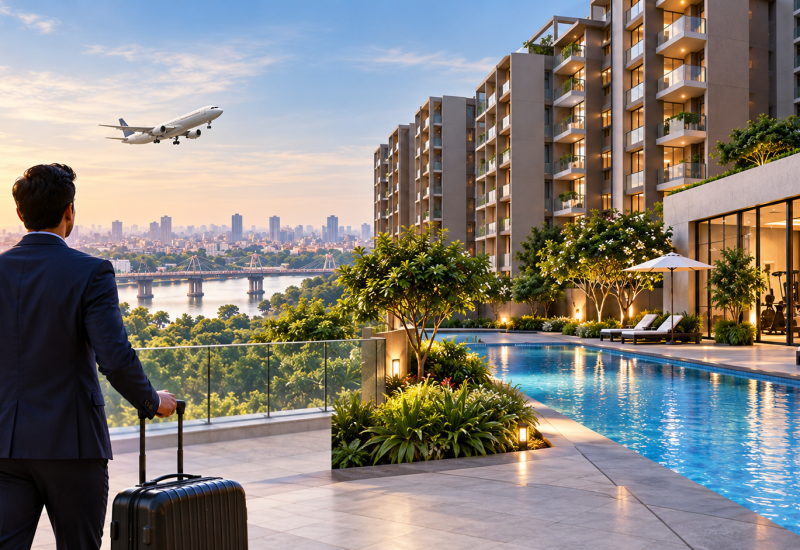
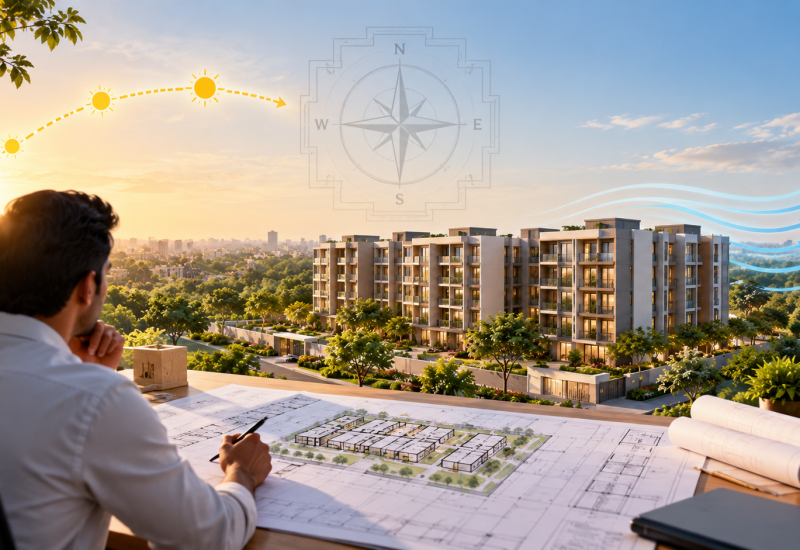
Rapid urban development has transformed city lifestyles, but it has also reduced access to natural light, fresh air, and open environments. In this context, open spaces and open-to-sky design elements play a vital role in making urban residential projects healthier, more breathable, and more livable for end-users.
What Is Open Space and Open-to-Sky Design?
Open space refers to areas within a residential project that are free from construction, such as gardens, courtyards, terraces, parks, and walkways.
Open-to-sky spaces include internal courtyards, balconies, terraces, atriums, and ventilation shafts that allow direct exposure to sunlight and fresh air.
These spaces act as natural breathing zones within dense urban developments.
Importance of Open Space in Urban Residential Projects
Improved Air Circulation
Open-to-sky areas allow fresh air to circulate naturally throughout the building, reducing heat buildup and improving indoor air quality for residents.
Natural Light and Ventilation
Sunlight entering open spaces reduces dependence on artificial lighting and enhances ventilation, creating brighter and healthier homes.
Thermal Comfort
Open spaces help regulate temperature by reducing the urban heat island effect, keeping living areas cooler and more comfortable.
Mental and Physical Well-Being
Access to green and open areas helps reduce stress, improve mood, and encourage outdoor activities, benefiting overall well-being.
How Open Spaces Make Urban Homes More Breathable
-
Allow continuous airflow between buildings
-
Reduce humidity and indoor pollution
-
Improve oxygen levels through landscaping and greenery
-
Create visual openness in compact urban layouts
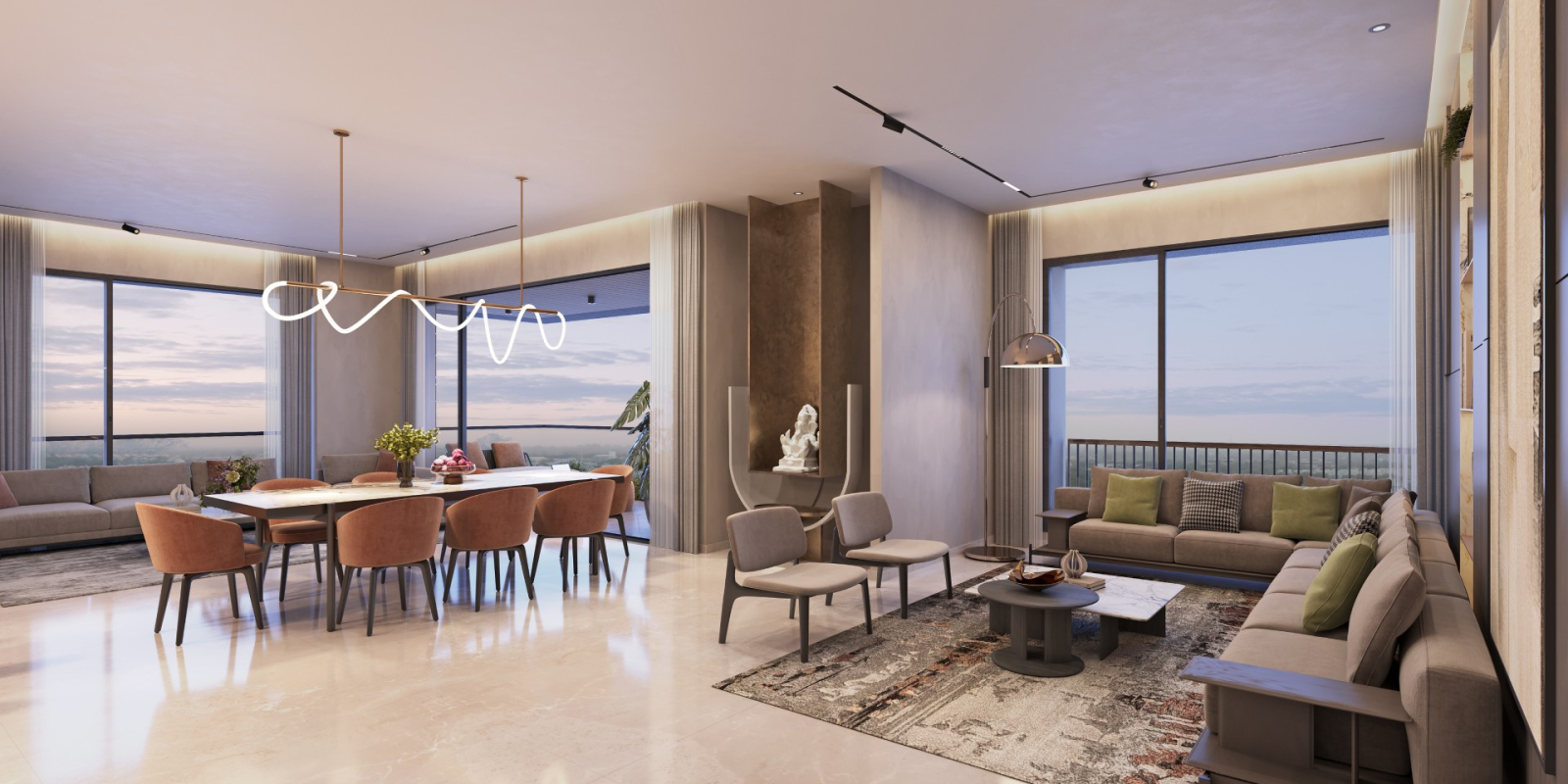
These factors together create a more breathable and refreshing living environment for end-users.
Social and Community Benefits
Open spaces act as shared zones where residents can interact, children can play safely, and families can relax. They encourage community bonding while maintaining privacy and comfort.
Sustainability and Long-Term Value
Residential projects with well-planned open spaces:
-
Consume less energy
-
Promote eco-friendly living
-
Have higher market demand and resale value
-
Meet modern urban planning and sustainability standards
Conclusion
In today’s high-density urban developments, open space and open-to-sky design are no longer optional — they are essential. They bring light, air, and life into residential projects, making homes healthier, more breathable, and more enjoyable for end-users.
At The Capstone Developers, we believe that thoughtfully designed open spaces create not just better homes, but better lifestyles.